
Homemade playdough is one of the easiest sensory activities to pull together on a rainy afternoon or during the school holidays, and most of the ingredients are already sitting in the pantry. This guide covers three versions: the classic cooked recipe, a no cook version for when you’re short on time, and a cream of tartar free version for anyone who doesn’t have it on hand.
For more screen-free ideas to fill a school holiday afternoon, see our guide to 150+ kids activities for family fun at home.
Classic Cooked Playdough Recipe
This is a tried and tested version, adapted from the recipe printed on the McKenzie’s Cream of Tartar container. Cooking the dough on the stove gives it a smoother, longer-lasting texture than no cook versions.
Ingredients
- 2 cups plain flour
- 4 tablespoons cream of tartar
- 2 tablespoons cooking oil
- 1 cup salt
- 2 cups water
- A few drops of food colouring
Method
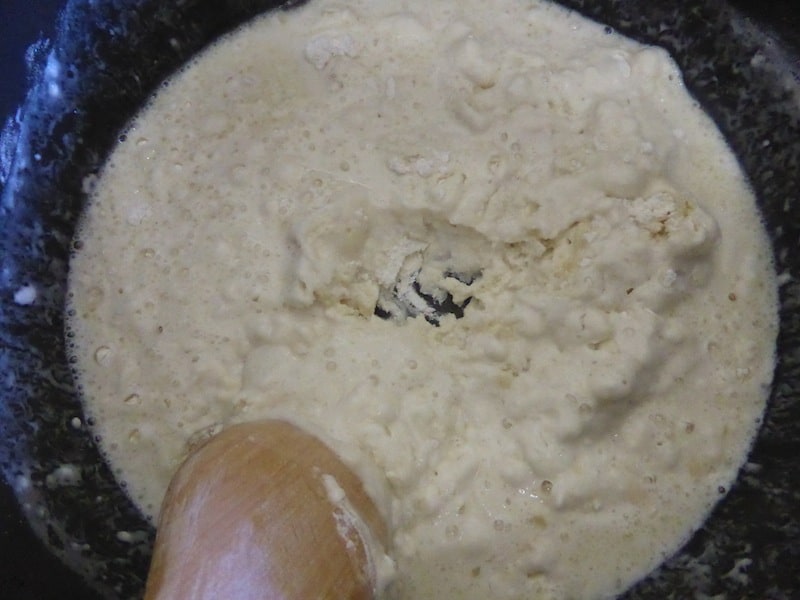
- Combine all ingredients in a small saucepan.
- Stir over medium heat for 3 to 5 minutes, until the mixture congeals. It can happen in under 3 minutes, so keep an eye on it.
- The mixture will become difficult to stir and form one large lump. That’s your cue it’s ready.
- Remove from the saucepan and let it cool slightly before kneading to a smooth consistency.
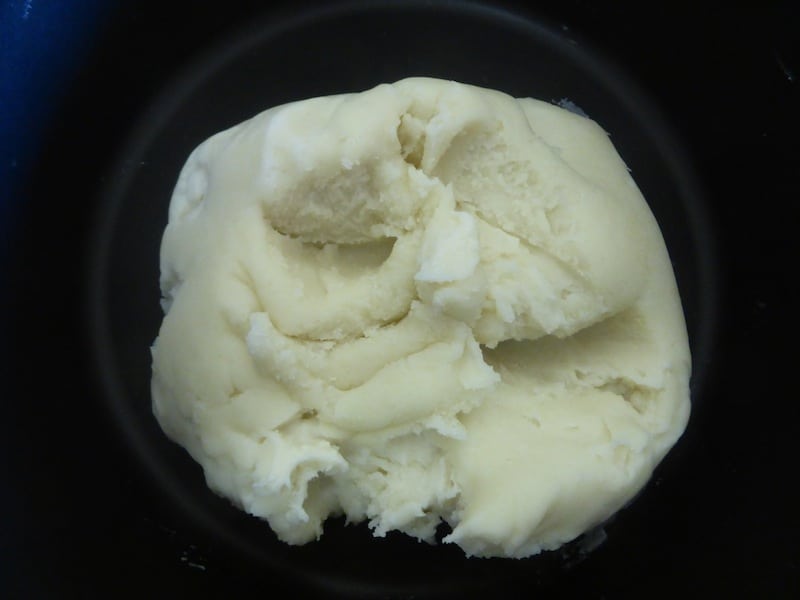
For a marbled effect, leave the food colouring out of the saucepan and knead it through in streaks after cooking, rather than mixing it in before cooking.
No Cook Playdough Recipe
If you’d rather skip the stove altogether, this version comes together just as easily and is a good option with younger kids helping to mix.
Ingredients
- 2 cups plain flour
- 1 cup salt
- 2 tablespoons cream of tartar
- 2 tablespoons cooking oil
- 1.5 cups boiling water
- A few drops of food colouring
Method
- Mix the flour, salt and cream of tartar in a large bowl.
- Add the food colouring to the boiling water, then pour it into the dry ingredients along with the oil.
- Stir with a wooden spoon until it starts to come together, then let it cool for a few minutes.
- Knead by hand until smooth and no longer sticky, adding a little extra flour if needed.
Because boiling water does the work that the stove would otherwise do, this version needs adult supervision at the mixing stage, but it’s ready to play with sooner than the cooked version once it’s cooled.
Cream of Tartar Free Playdough Recipe
Cream of tartar helps the dough stay stretchy and last longer, but it’s not essential if you don’t have any in the pantry. This version swaps it for a bit of extra salt and oil.
Ingredients
- 2 cups plain flour
- 1 cup salt
- 2 tablespoons cooking oil
- 1 to 1.25 cups boiling water (add gradually)
- A few drops of food colouring
Method
- Mix the flour and salt in a bowl.
- Add the oil and coloured boiling water gradually, stirring as you go. You may not need the full amount of water.
- Once it’s cool enough to handle, knead until smooth.
This version won’t keep quite as long as one made with cream of tartar, so it’s best for a single play session rather than long-term storage.
Adding Scent
For older kids who are past the mouthing stage, a scented playdough adds another layer to the sensory experience. Knead in a few drops of essential oil or flavouring once the dough has cooled. Vanilla extract, peppermint oil and lavender oil all work well and give each colour its own distinct smell. Keep scented batches away from babies and toddlers who still put things in their mouths.
If you’re making a batch around the holidays, try swapping in ground cinnamon and ginger for a gingerbread-scented version, covered in our Christmas sensory play activities guide.

Storing Homemade Playdough
Store playdough in an airtight container or a sealed plastic bag, and keep it in the fridge to extend its life. The cooked, cream of tartar version tends to last several weeks with proper storage, while the no cook and cream of tartar free versions are better used within a week or two. If a batch starts to feel dry or crumbly, kneading in a small amount of water and oil will usually bring it back.
Frequently Asked Questions
Stored in an airtight container in the fridge, cooked playdough made with cream of tartar can last several weeks. Versions without cream of tartar dry out faster and are best used within a week or two.
The ingredients are non-toxic in small amounts, but playdough isn’t intended to be eaten and shouldn’t be treated as a snack. Supervise young children closely, and skip scented versions with essential oils for babies and toddlers who still mouth toys.
Sticky dough usually means it needs a bit more flour, or it hasn’t been kneaded long enough after cooling. Knead in small amounts of flour until the texture firms up.
Yes. Plain playdough works just as well for texture-based sensory play, or you can try natural colouring using beetroot powder, turmeric or matcha for a more muted, natural palette.
Playdough is generally recommended from around age two, once children are less likely to put it in their mouths. For younger babies, taste-safe sensory alternatives like cooked pasta or edible finger paints are a safer option.
More Sensory Play Ideas
Playdough is just one of many sensory activities worth having on hand at home. For younger children, our guide to five play-based sensory activities for babies and toddlers covers taste-safe options and simple sensory trays using things you already have at home.
For preschool-aged kids, ten play-based activities for preschoolers has more ideas that build fine motor skills and school readiness through play.