
Birdwatching is one of the easiest hobbies to get kids into. It’s free, it works in a backyard or a national park, and it gives kids a reason to actually look up and pay attention to what’s around them instead of racing past it. It pairs naturally with things families are already doing too, like weekend walks, camping trips or a Sunday at the park.
Australia is genuinely good territory for it. We have some of the most distinctive and colourful birdlife in the world, and most kids can name a rainbow lorikeet or a magpie before they can spell either word. Here’s how to get started, what to look out for, and where to go.
Why Birdwatching Is a Great Activity for Kids

It doesn’t need expensive gear, it works for a wide range of ages, and it builds observation and patience without feeling like a lesson. It also gives kids something to do with their hands and eyes on a walk, which can be the difference between a smooth outing and a “how much longer” outing.
It connects well with other interests too. Kids who like drawing can sketch what they see. Kids who like collecting things can keep a running list or a scrapbook. And if your family enjoys a bit of friendly competition, keep an eye out for our separate guide to the [Aussie Bird Count], the annual event where the whole country counts birds together.
Common Australian Birds and How Kids Can Identify Them
You don’t need a field guide memorised to get started. A few simple identification cues go a long way, and these are the birds most Australian families will see first.
Australian Magpie: Black and white, medium-sized, with a distinctive warbling call. Famous for swooping in nesting season, which is a good early lesson in giving wildlife space.
Rainbow Lorikeet: Bright blue head, orange chest, green wings. Usually seen and heard in noisy flocks, especially around flowering trees.
Kookaburra: Large, brown and cream, best known for its laughing call rather than its colouring. A good one to teach kids to identify by sound alone.
Willie Wagtail: Small, black and white, constantly flicking its tail from side to side. Common in gardens and easy for younger kids to spot up close.
Superb Fairy-wren: Tiny, with the male sporting a striking bright blue head and tail in breeding season. A fun one for kids to “collect” since the male and female look so different.
Sulphur-crested Cockatoo: Large, white, with a yellow crest and a loud screech. Hard to miss and often seen in big, noisy groups.
Encourage kids to note three things when they spot a bird: size, colour, and what it’s doing (flying, feeding, calling). That’s usually enough to identify it later with a guide or an app, and it builds the habit of looking closely rather than just glancing.
Getting Kids Started: Gear and Simple Tips

Start in the backyard first. A bird bath and a regular supply of seed will bring visitors to you, which is the easiest possible entry point for younger kids. Bird seed blocks are easy to find at the supermarket, and you don’t need anything fancy to start.
Choose bird-friendly plants if you’re doing any garden planning. Grevillea, bottlebrush, banksia and kangaroo paw are reliable choices that also look good in a native garden bed.
Keep a notebook or sketchpad handy. Kids don’t need to identify every bird correctly to enjoy drawing it or writing down where they saw it, and this is often the part that keeps them coming back to it. A scrapbook of sketches and notes makes a nice ongoing project too.

A decent field guide helps. Here are some recommended field guides for kids who like flicking through and matching what they’ve seen.: The Australian Bird Guide by Peter Menkhorst, Danny Rogers and Rohan Clarke, Field Guide to Australian Birds by Michael Morcombe and Birds of Australia by Graham Pizzey and Frank Knight.
Kid-sized binoculars are worth it. There are plenty of affordable, lightweight options now that survive being dropped, which is more of a factor than you’d think.
Visit water first. Ponds, lakes and beaches are some of the most reliable spots to see a variety of birds in one visit, including ducks and their ducklings, which is always a hit with younger kids. Pelicans are another local favourite, and worth knowing that Australian pelicans have the longest bill of any bird alive, with a wingspan of over two metres that lets them stay airborne for up to 24 hours.
Newcastle, Lake Macquarie and the Hunter Region: Where Local Families Can Go
If you’re based in Newcastle, Lake Macquarie or the wider Hunter, you’re in one of the best birdwatching regions in the country. The Hunter Bird Observers Club has recorded more than 450 species across the region, making it one of Australia’s most prolific birding locations.
Stockton Sandspit, part of Hunter Wetlands National Park, is a free and easy spot to watch flocks of shorebirds feeding and roosting, especially around high tide. It’s flat and accessible, which makes it a good option with a pram or younger kids.
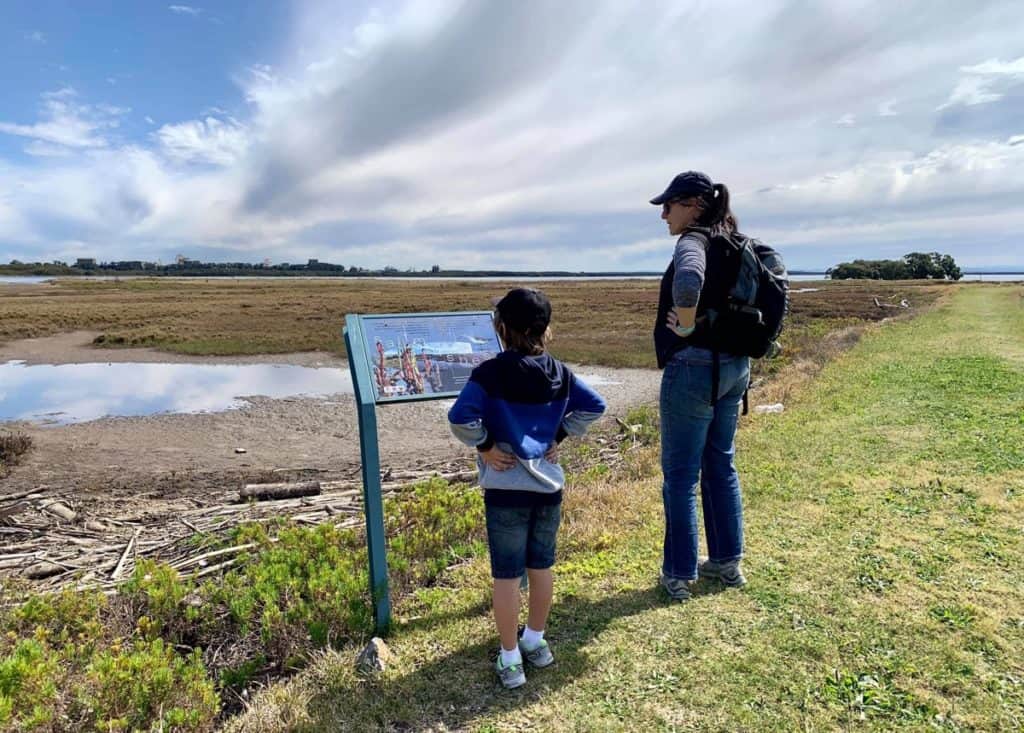
Ash Island and Kooragang Wetlands have a bigger network of walking tracks through wetland habitat, and it’s one of the better local spots to see waterbirds and raptors depending on the season.
Glenrock Lagoon, between Newcastle and Redhead, combines a coastal walk with a freshwater lagoon, so you’ll usually get a mix of bush birds and water birds in one outing, with a beach stop afterwards if the weather’s good.
Local beaches and Newcastle Harbour have numerous birds including pelicans, sea gulls and sea eagles.
Green Point and the Lake Macquarie foreshore are worth a look if you’re on the lake side of the region. The open water and reserve areas attract pelicans, herons and plenty of smaller bush birds, with shade and parking close by.
Myall Lakes, up towards Port Stephens, is more of a day trip but rewards you with a wider variety of species across its lakes and forest edges.
Participate in free online bird information sessions
Birdlife Australia is an independent, not-for-profit conservation organisation dedicated to creating a bright future for Australia’s birds. They share lots of amazing photos, information and events. Some other great options for online information about our Australian birds include Birds in Backyards, Ausbird – The Australian Birding Directory and Birding NSW.
Participate in the Aussie Bird Count

National Bird Week takes place in October each year. BirdLife Australia organises and promotes Bird Week “with the goal of inspiring Australians to take action and get involved in bird conservation efforts”. You can celebrate Bird Week by taking part in the Aussie Bird Count.
All you need is 20 minutes in your backyard (or any other local space) to observe and record the birds you see in your line of view. This is an easy and fun activity for the whole family. You will have help with recognising birds along the way if you need it so this is a great way to become more familiar with different bird species. The information that is compiled by thousands of participants is analysed to see how our Aussie birds are faring.
Family-Friendly Birdwatching Spots Across Australia
If you’re travelling during school holidays or just looking for a change of scenery, most states have a standout spot worth building a family day around.
In New South Wales, the wetlands and coastal lagoons around Sydney and the Royal National Park are reliable for water birds and bush birds alike. Melbourne families are well served by the Dandenong Ranges and the Royal Botanic Gardens, both easy on little legs. In Queensland, Lamington National Park in the Gold Coast hinterland is known for its rainforest bird diversity, including several species you won’t see further south. Perth families can head to Kings Park, which combines birdlife with plenty of open space for kids to run off energy afterwards, and in Adelaide, the Botanic Gardens and nearby wetlands are a solid low-effort option.
Frequently Asked Questions
It’s a low-cost way to spend time outdoors, slow down, and notice the environment. For families, it also doubles as an easy way to build kids’ observation skills and curiosity about nature.
Look for lightweight, low-magnification binoculars (around 8x magnification) with a wide field of view, which makes it easier for kids to find and track birds. Rubber-coated, drop-resistant models are worth the extra few dollars.
Start with your own backyard or nearest park, then look for local wetlands, lagoons or nature reserves, which tend to offer the widest variety of species. Council and national park websites often list walking tracks with birdlife information.
Note its size, colour, and what it’s doing, then check a field guide or a bird identification app. Sound is also a strong clue, particularly for birds like kookaburras and magpies.
Joining a citizen science event is a great next step once the basics click. See our guide to the Aussie Bird Count for how families can get involved each October.