
ANZAC Day is an important part of Australia’s history, but explaining its meaning to children isn’t always straightforward. The right book can open up those conversations gently and at the right level for your child’s age. From simple picture books for preschoolers to powerful chapter books for teens, here are the best ANZAC Day books for kids — organised by age group to make it easy to find something suitable.
Many of these titles are available at your local library, including through Storybox Australia, which offers free access to read-aloud versions of some titles if you have a library card. We’ve also flagged a local Hunter Valley title worth seeking out.
Looking for other ways to mark the day? See our guides to ANZAC Day activities for kids and ANZAC Day events in Newcastle, Lake Macquarie and the Hunter.
Picture Books for Little Ones (Ages 3–6)
These books introduce ANZAC Day gently through simple stories, familiar objects and relatable characters — ideal for reading together before or after attending a dawn service.
Anzac Ted
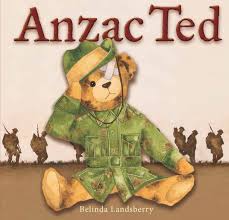
Belinda Landsberry’s Anzac Ted is one of the most beloved Anzac Day books for young children. The story follows a battered old teddy bear — missing an eye and an ear — who has a great story to tell. Anzac Ted went to war, keeping soldiers company and giving them comfort. Told through a little boy who inherits the bear from his grandfather, it’s a gentle and moving introduction to why we remember. Ages 5+. Available on Storybox Australia. Read our review.
My Grandad Marches on ANZAC Day
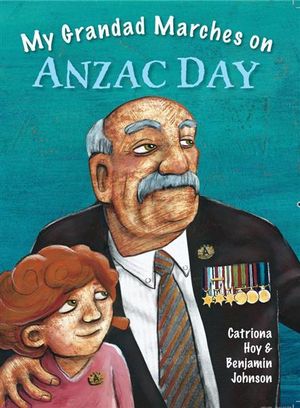
Catriona Hoy’s My Grandad Marches on Anzac Day is a perfect first book for young children attending their first dawn service. Told through the eyes of a little girl who wakes before dawn to watch her grandfather march in the parade with her dad, it explains the traditions and significance of the day in simple, accessible language. Ages 4+.
ANZAC Biscuits
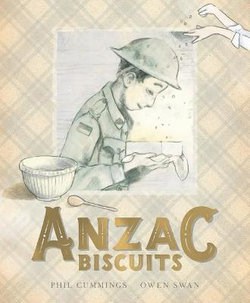
Phil Cummings’ ANZAC Biscuits is a touching story told on alternating pages — a mother and daughter at home baking Anzac biscuits, and the father fighting on the front line. The parallel images are cleverly linked (smoke from a wood fire; smoke from the trenches), making this a visually powerful book even for very young readers. Ages 4+. Available on Storybox Australia.
The Anzac Billy
Claire Saxby’s The Anzac Billy tells the story of a little boy packing a billy with all his father’s favourite things — added to by mum and grandma — even knowing the billy can’t go to any particular soldier. During WWI, Australian and New Zealand soldiers were sent Christmas care packages in a tin billy, and this perfectly researched and beautifully rendered book brings that tradition to life. Ages 4+.
A Soldier, a Dog and a Boy

Libby Hathorn’s A Soldier, a Dog and a Boy follows an Australian soldier fighting in the Battle of the Somme who finds a skinny dog and decides to adopt him — until he discovers the dog belongs to Jacques, a French orphan boy. A gentle, warm story about kindness and connection across the divide of war. Ages 3–6.
Only a Donkey
Celeste Walters’ Only a Donkey is a wonderful introduction to the story of Simpson and his donkey for the youngest readers. Told from the perspective of the animals on a farm, the donkey has a magical dream and leads the animals on a journey to understand the cenotaph. Lyrically told with gentle themes of humility, courage and compassion. Ages 3–6.
Meet the ANZACs
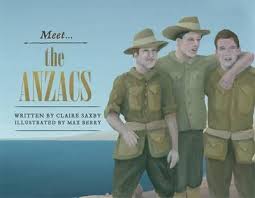
Claire Saxby’s Meet the ANZACs is part of the popular “Meet the…” series about extraordinary Australians. This picture book follows the soldiers of the Australian and New Zealand Army Corps from training through to the landing at Gallipoli. Simple text, non-violent and age-appropriate — a great introduction for young children. Ages 5+.
Lest We Forget
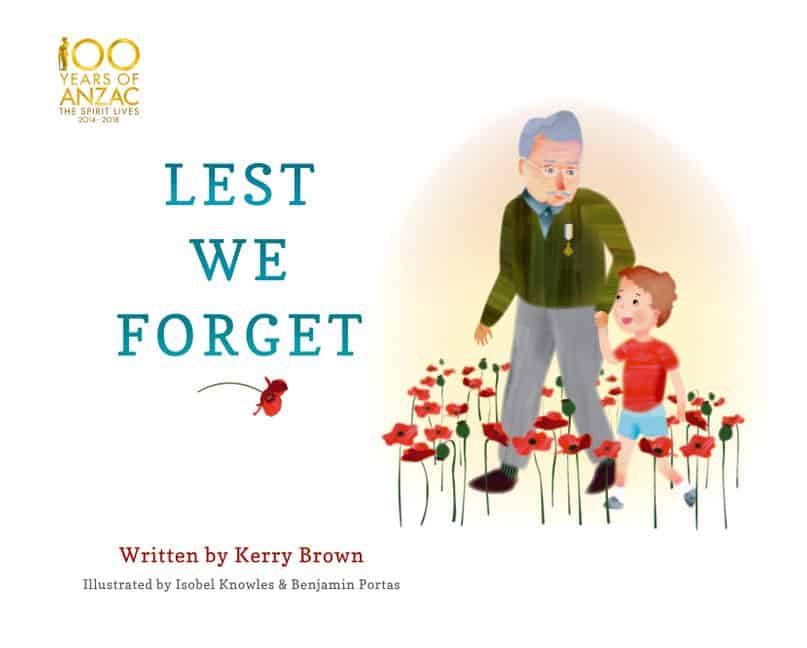
Kerry Brown’s Lest We Forget follows a young boy visiting his grandad, thinking about important days in his life — his first day of school, a soccer match, the day his baby sister was born. But through the illustrations, the reader sees a parallel story of the grandfather’s wartime experiences. Quietly powerful and thoughtfully designed for very young children. Ages 5+.
Picture Books for Primary School Kids (Ages 6–10)
These books go a little deeper, exploring specific stories, historical events and perspectives — ideal for school-age children who are starting to ask bigger questions about war and remembrance.
Simpson and his Donkey
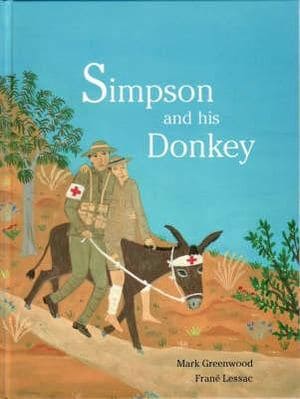
Mark Greenwood’s Simpson and his Donkey is the classic retelling of John Simpson Kirkpatrick and his donkey Duffy, who rescued over 300 wounded men during the Gallipoli campaign. Backed by detailed research, the text includes a brief biography, details of Simpson’s work at Gallipoli and the little-known story of how he unknowingly rescued his childhood friend. Ages 7–9.
Gallipoli

Kerry Greenwood’s Gallipoli follows Dusty and Bluey, two ANZACs on their way to the Great War. The story covers their time in Egypt, the Gallipoli landing, trench life, Simpson and his donkey, the withdrawal and eventually coming home. A good all-round introduction to the Gallipoli story for primary-age readers. Ages 6+.
Digger
Mike Dumbleton’s Digger tells the story of a toy kangaroo, an Australian soldier and two girls — one Australian, one French — on opposite sides of a world at war. A poignant tribute to the French schoolchildren who tended the graves of Australian soldiers who died at Villers-Bretonneux. Ages 6+.
Midnight

Mark Greenwood’s Midnight tells the true story of Lieutenant Guy Haydon and his beloved mare Midnight, whom he had raised from a foal. On 31 October 1917, the 4th and 12th Regiments of the Australian Light Horse took part in one of the last great cavalry charges in history — and Midnight was there. A stirring account of courage and the bond between horse and rider. Ages 5+.
Roly the Anzac Donkey
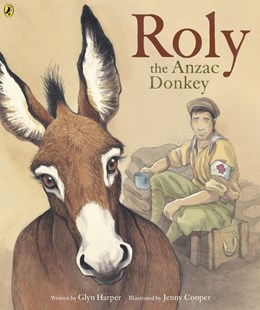
Glyn Harper’s Roly the Anzac Donkey follows Richard Henderson, a soldier in the New Zealand Medical Corps, and the hungry donkey he finds wandering on a Gallipoli road. Together they form a strong friendship and courageously save the lives of many wounded soldiers. Based on real people and events. Ages 6–9.
The Anzac Puppy

Peter Millett’s The Anzac Puppy opens in the middle of the night, in the middle of winter, in the middle of a war — with the birth of a puppy. Based on the true story of Freda, a Harlequin Great Dane and mascot of the NZ Rifle Brigade during World War I, it’s a simple story about friendship, hardship and love. Ages 6+.
Alfred’s War
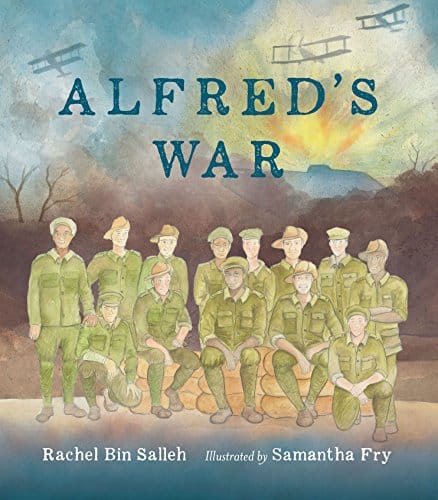
Rachel Bin Salleh’s Alfred’s War is a powerful and important book about the lack of recognition given to Australian Indigenous servicemen. Alfred enlisted as a young man, was wounded and shipped home from France — and returned to a country that did not recognise him as a citizen, let alone a returned soldier. Spare text and evocative illustrations make this suitable for a wide age range. Essential reading for any collection. Ages 6–10. Available on Storybox Australia.
Dreaming Soldiers
Catherine Bauer’s Dreaming Soldiers follows Jimmy and Johnno — best mates, one white, one Aboriginal — who grow up together on a South Australian cattle station and later enlist together for WWI. A heartfelt story incorporating gentle Dreaming themes that honours the contributions of First Nations soldiers. Ages 6–9.
Photographs in the Mud
Dianne Wolfer’s Photographs in the Mud is set on the Kokoda Track in Papua New Guinea during WWII. Two soldiers — one Australian, one Japanese — find themselves lying injured together in a ditch and share photographs of their families. A rare and moving story that puts a human face on both sides of a conflict. Ages 7+.
An ANZAC Tale
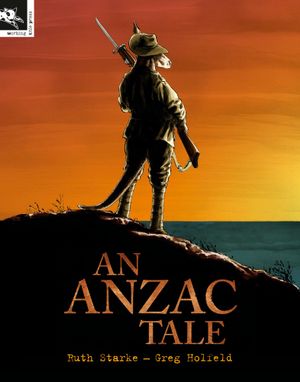
Ruth Starke’s An ANZAC Tale follows best friends Wally and Roy, and new mate Tom, among the first to enlist when war breaks out in 1914. Their great adventure quickly turns to hardship as they land at Anzac Cove during the Gallipoli campaign. Ages 7+.
Anzac Girl: The War Diaries of Alice Ross-King
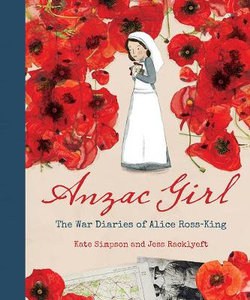
Anzac Girl tells the true story of Sister Alice Ross-King, who sailed to war in December 1914 and became the most decorated woman in Australia. Drawing on extracts from Alice’s actual diaries held at the Australian War Memorial, it captures the danger and heartache of a young nurse at war. Ages 6–10.
Memorial
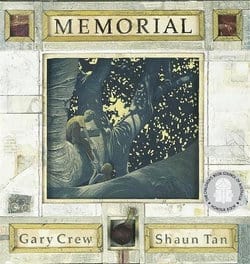
Gary Crew’s Memorial — illustrated by the extraordinary Shaun Tan — opens with soldiers returning from the Great War and planting a memorial tree. Generations later, the tree has grown enormous, dislodging the statue beside it and causing traffic problems in a much larger town. The council votes to cut it down. A beautifully layered story about memory, conservation and what remembrance really means. Ages 7–10.
A Day to Remember
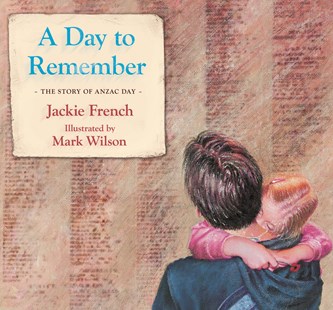
Jackie French’s A Day to Remember looks at Anzac Day traditions both past and present — the places ANZACs have fought, and the peacekeeping and civilian support roles servicemen and women play today. A good choice for children who want to understand the broader meaning of Anzac Day beyond Gallipoli. Ages 7–12.
My Gallipoli
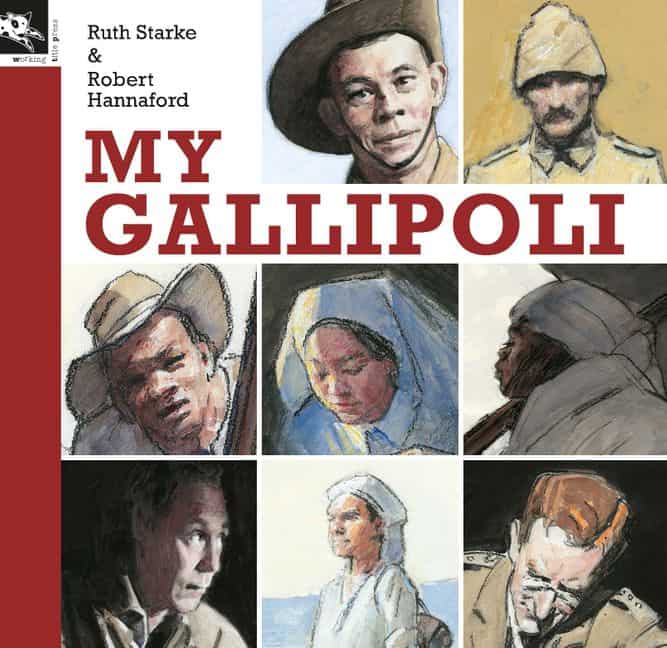
My Gallipoli tells the stories of the men and women involved in the Gallipoli conflict — from Anzac Cove to Chunuk Bair, from Cape Helles to Gurkha Bluff. Covers the eight months of occupation in 1915 across sixteen nations. A solid non-fiction reference for primary-age readers. Ages 6+.
Message in a Sock

Kaye Baillie’s Message in a Sock follows Tammy, whose mother knits socks for soldiers while Tammy slips a secret message inside each pair, hoping one will find her father and bring him home safely. Based on a true exchange between a soldier and a young girl, it’s a gorgeous collage-style story of love and longing. Ages 4+.
The Poppy
Andrew Plant’s The Poppy tells the true story of one of Australia’s greatest victories — the desperate night counter-attack at Villers-Bretonneux on Anzac Day 1918 — and of a promise kept for nearly a century. Illustrated in over 70 paintings, it’s an impressive and visually rich book for older primary readers. Ages 9+.
Anzac Sons: Children’s Edition
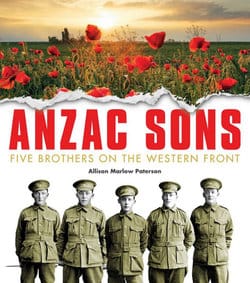
Anzac Sons: Children’s Edition, compiled by the granddaughter of a surviving brother, tells the true story of a family torn apart by World War I — four brothers who enlisted, and the impact on their family and community. Combines prose, photographs, maps, letters and historical facts. Ages 7–12.
The Tale of the Anzac Tortoise
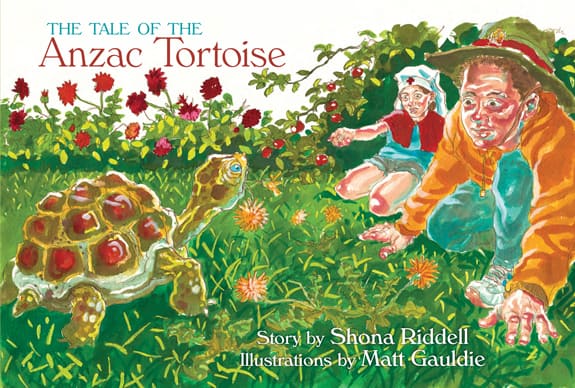
Shona Riddell’s The Tale of the Anzac Tortoise follows siblings Matthew and Marama, who find themselves transported back in time to Gallipoli through an encounter with a tortoise. The real tortoise who inspired the story was found on the battlefield by a wounded soldier, gifted to a nurse, and remained in the author’s own family for 80 years — a genuinely remarkable true backstory. Ages 4+.
Do Not Forget Australia
Glyn Harper’s Do Not Forget Australia tells the true story of the bond between Melbourne and the French town of Villers-Bretonneux, liberated by Australian soldiers in 1918. It follows two boys — Henri from France and Billy from Australia — and the friendship that forms when Billy’s soldier father writes home about Henri’s school being destroyed. A story about what happens after the fighting ends and the kindness that outlasts war. Ages 6–9.
Chapter Books and Longer Reads (Ages 10–13)
For confident readers ready to engage with more complex stories and historical detail.
Loyal Creatures

Morris Gleitzman’s Loyal Creatures follows sixteen-year-old Frank Ballantyne, who lies about his age and volunteers for WWI with his horse Daisy — and his dad. A powerful story of the men and horses of the Australian Light Horse, mateship and what real bravery looks like. One of the best Australian children’s novels about the war. Ages 10+.
The Great Gallipoli Escape
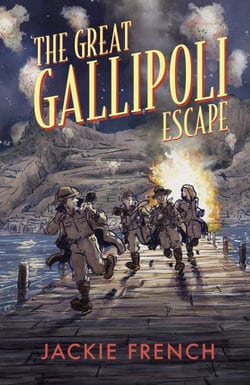
Jackie French’s The Great Gallipoli Escape tells the brilliant and largely untold story of the evacuation of Gallipoli through the eyes of sixteen-year-old Nipper, who lied about his age to enlist. Based on first-hand accounts of those final extraordinary weeks of the campaign. Ages 10+.
Soldier Boy

Anthony Hill’s Soldier Boy tells the remarkable true story of Jim Martin, the youngest Anzac — just 14 years old when he sailed from Melbourne on the troopship Berrima, bound for Gallipoli. A short, powerful read. Ages 8+.
The Soldier’s Gift
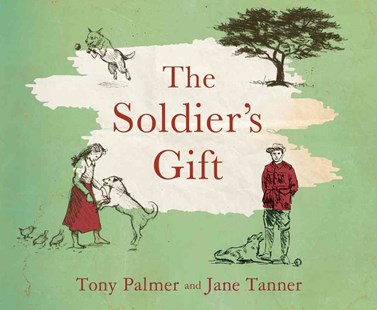
Tony Palmer’s The Soldier’s Gift follows Emily, who knows her big brother Tom wants to go to war — but desperately doesn’t want him to leave Hillside Farm. A moving story of one family’s courage and the terrible losses at Gallipoli. Ages 9+.
Remembering for Peace
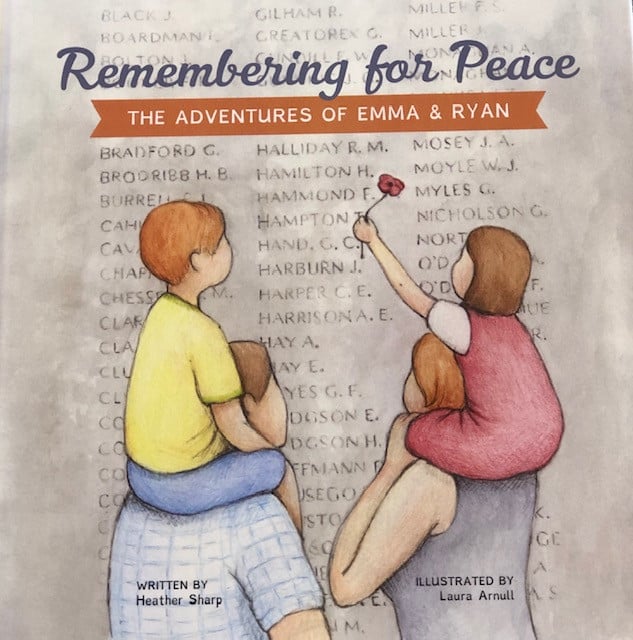
Dr Heather Sharp’s Remembering for Peace follows Emma and Ryan as they travel along the Remembrance Trail in France and Belgium, 100 years after the end of World War I. Written by a University of Newcastle education researcher, this Australian-made book takes children beyond Gallipoli to understand the lasting impact of conflict on people and the environment. Ages 10+.
One Minute’s Silence
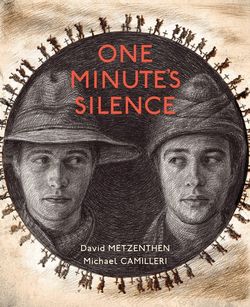
David Metzenthen’s One Minute’s Silence is a genuinely unusual Anzac Day book in which the reader becomes the story — imagining themselves on both sides of the conflict, beside both the Australian diggers charging up the beach at Gallipoli and the Turkish soldiers defending their homeland. A powerful exercise in empathy. Ages 8–14.
Light Horse Boy
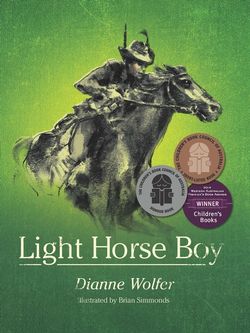
Dianne Wolfer’s Light Horse Boy follows Jim and Charlie as they leave the Australian outback for the Light Horse and quickly discover the brutal realities of the frontline. Featuring charcoal sketches alongside primary source documents and historical photographs, it goes behind the Anzac legends for an intimate portrait of the experience. Companion title to Lighthouse Girl. Ages 6–16.
Lighthouse Girl
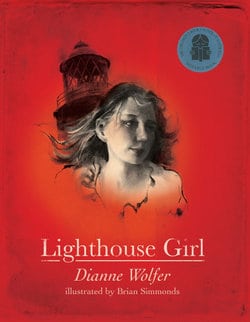
Dianne Wolfer’s Lighthouse Girl is set in 1914. Fay lives in a lighthouse and has never known friendship until she starts writing to a soldier named Charlie. A beautifully illustrated story about connection, loneliness and the cost of war. Companion to Light Horse Boy. Ages 6–16.
In the Lamplight
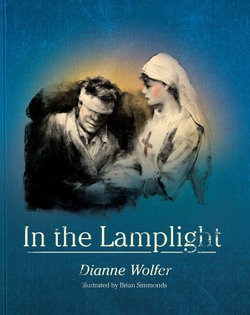
Dianne Wolfer’s In the Lamplight is the third book in her WWI series. Rose is a young English nurse who falls in love with Jim, the Light Horse Boy. On the long journey back to Australia they face the appalling loss of life in the Spanish influenza epidemic, then more challenges upon repatriation. Published to mark the 100th anniversary of the end of World War I. Ages 6–16.
Our Mob Served

Allison Cadzow and Mary Anne Jebb’s Our Mob Served presents a moving and largely unknown history of Aboriginal and Torres Strait Islander wartime and defence service, told through oral histories and treasured family images. Compelling stories of war, service and the impact on individuals, families and communities — many shared here for the first time. Ages 12+.
The Silver Donkey
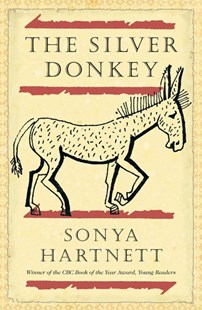
Sonya Hartnett’s The Silver Donkey opens in the woods of France, where a soldier blinded by the war is found by two young French sisters. In return for their kindness, he tells them marvellous tales, each connected to the tiny silver donkey he carries in his pocket. Ages 11+.
For Teens and Young Adults (Ages 13+)
When We Were Two
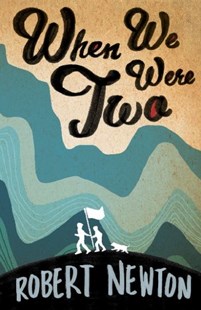
Robert Newton’s When We Were Two follows Dan and his brother Eddie as they set off for the coast in search of their lost mother and a better life — and are taken under the wing of a group of would-be soldiers marching over the mountains to enlist. The experiences they share will shape their future beyond recognition. Ages 13+.
Anzac Sons: Children’s Edition
Anzac Sons is also well suited to older teens — the full story of four brothers from NSW who enlisted in WWI, compiled by their granddaughter. Combines personal letters, photographs and historical detail into a vivid family account. Ages 13+.
Local Pick — Hunter Valley Connection
Turkish Charlie Ryan: Canakkale’s Anzac Hero

John Gillam and Yvonne Fletcher’s Turkish Charlie Ryan: Canakkale’s Anzac Hero has a direct connection to our region. The story of Charlie Ryan was discovered through an exchange between students at Thornton Public School and students at Turkish school TED Mersin College — the Turkish students asked the Australians if they knew about Charlie Ryan, an Australian medic from country Victoria who had served in the Turkish army before WWI. Forty years later, as head of the Australian Army Medical Corps, he landed at Gallipoli to fight his former friends — leading to an extraordinary encounter. Illustrated by local illustrator Lillian Webb. Ages 9+. Out of print but available at local libraries.
Frequently Asked Questions
Anzac Ted by Belinda Landsberry and My Grandad Marches on Anzac Day by Catriona Hoy are both ideal for young children. They introduce the meaning of Anzac Day through familiar, gentle stories without anything frightening or graphic.
Yes — Alfred’s War by Rachel Bin Salleh is one of the most important. It tells the story of an Indigenous soldier who fought in WWI but returned to a country that offered him no recognition or support. Dreaming Soldiers by Catherine Bauer and Our Mob Served by Allison Cadzow and Mary Anne Jebb are also excellent choices.
Most titles on this list should be available through NSW public libraries. Storybox Australia also offers free read-aloud access to Anzac Ted, ANZAC Biscuits and Alfred’s War — log in with your library card at storyboxlibrary.com.au. Turkish Charlie Ryan: Canakkale’s Anzac Hero is out of print but available at local libraries in the Hunter Valley.
Loyal Creatures by Morris Gleitzman, When We Were Two by Robert Newton and Our Mob Served by Allison Cadzow and Mary Anne Jebb are all strong choices for older teens. The Dianne Wolfer Light Horse series (Light Horse Boy, Lighthouse Girl, In the Lamplight) works well from age 12 and up
